
David Gormley-O'Brien's blog
The 'Black Armada' - Australian boycott of Dutch ships in 1945
David Gormley-…
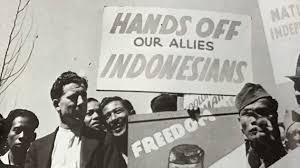
Australia’s relationship with Indonesia was transformed during the Second World War. Before 1942, most Australians knew little about the Netherlands East Indies or the realities of Dutch colonial rule. The arrival of thousands of Indonesians in Australia during the war, combined with labour disputes, union activism and growing support for Indonesian independence, brought Australians into direct contact with colonialism and revolution on their doorstep.
Miss Kathleen Butler: godmother of the Sydney Harbour Bridge
David Gormley-…
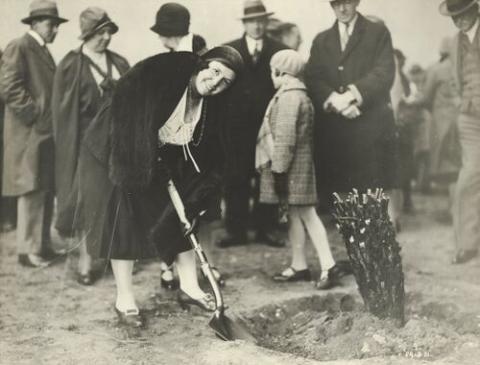
A remarkable young woman who would was known as the godmother of the Sydney Harbour Bridge - Kathleen Muriel Butler.
War Crimes Trials on Morotai Island - WW2TV (video)
David Gormley-…
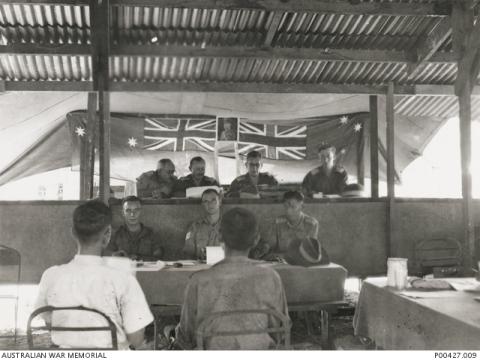
David Gormley-O'Brien presents on Australia's first ever war crimes trials - Webinar on WW2TV 2025
Pacific reckoning - Australian war crimes trials (video)
David Gormley-…
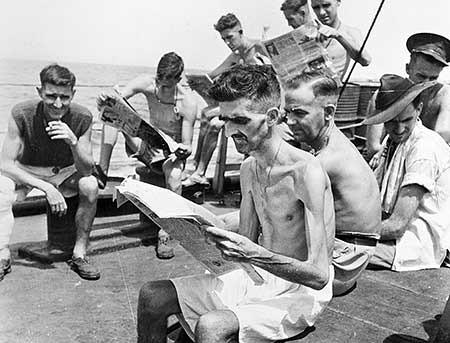
Paper given at the Fighting to the finish: Australia in 1945 - Strategy, Victory and Legacy Conference, Melbourne 11 October 2025 = Military History and Heritage Victoria.
Sources for Japanese breakout from Cowra Prisoner of War Camp
David Gormley-…
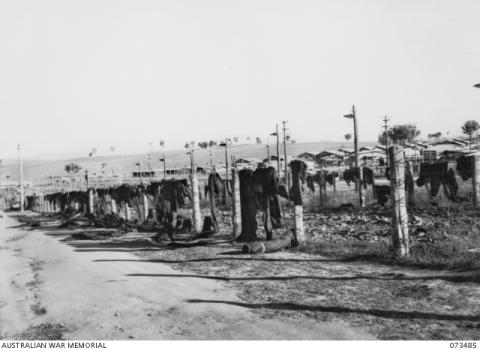
At 1.50 am on 5 August 1944, almost a thousand Japanese prisoners-of-war interned at No. 12 Prisoner of War Camp, Cowra, NSW, staged a mass breakout. 22 Garrison Battalion was assign as the camp guard. Armed with improvised weapons including baseball bats and sharpened mess knives the Japanese stormed the prison barb-wire fences.
The Bridge jumpers
David Gormley-…
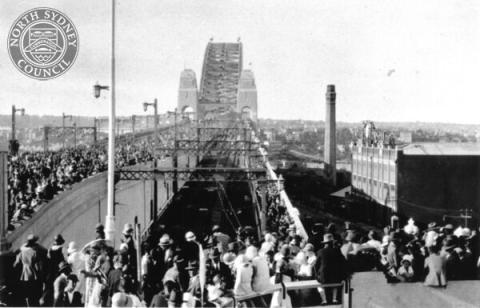
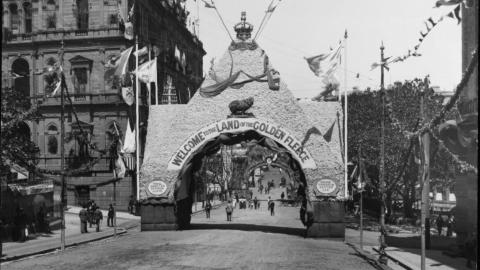
The opening of the Sydney Harbour Bridge at the height of the Great Depression in March 1932 was a festive occasion for the young nation. Celebrations were short-lived when the bridge became a popular spot for suicide jumpers. It took nearly two years and almost 50 deaths for the reluctant Government to erect a safety barrier on the bridge's footways.
Vivian Bullwinkel
David Gormley-…
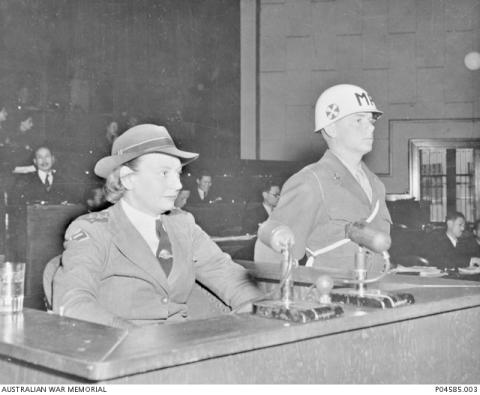
Vivian Bullwinkel was the sole survivor of the massacre of 21 nurses on Bangka Island in World War II. She spent the following three and a half years in Japanese internment camps in Sumatra. She appears in An Attractive Naivety, and in reading her diaries, notebooks, and her testimony at the Tokyo War Crimes Trials in December 1946, I was struck by her extraordinary courage and leadership. Her story is told in my historical novel, An Attractive Naivety.
Australia's first war crime trials
David Gormley-…
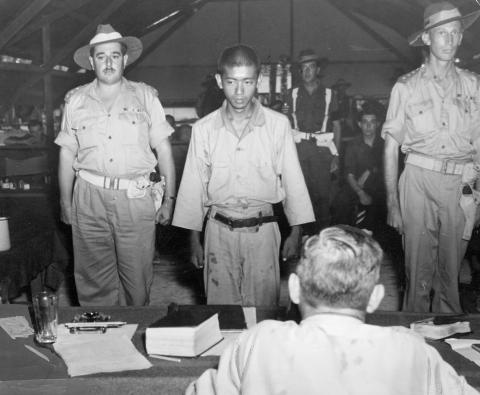
Between November 1945 and February 1946, on the island of Morotai, Australia convened some of the first war crimes trials in the Pacific. These tribunals prosecuted Japanese officers and soldiers accused of atrocities against Australian prisoners of war, confronting unique legal and logistical challenges.
From Garage Experiment to Jungle Legend: How a young Australian created the Owen machine gun
David Gormley-…
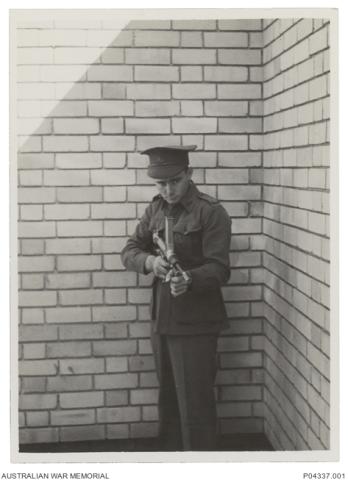
In Ashes and Sakura the Australian troops in Borneo and later in the occupation of Japan were sometimes depicted carrying Owen submachine guns. Not as famous as the British Sten gun or the American Tommy gun, the Australian Owen submachine gun was superior to both and the story of how it came into being is fascinating.
Aboriginals in the Australian Constitution
David Gormley-…
Australian army nurses prisoners
David Gormley-…
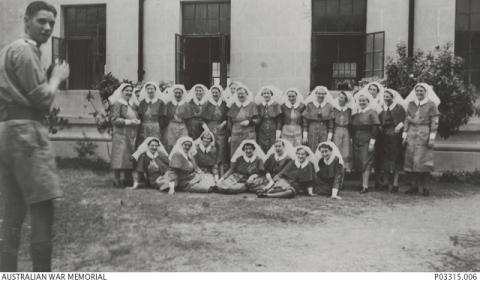
In An Attractive Naivety, Armistice Darcy, a character inspired by Australian nurse, Betty Jeffrey, is one of 65 Australian army nurses evacuated from Singapore on 12 February 1942, just before its fall, on the SS Vyner Brooke. The following day, Friday the 13th, the ship was attacked by six Japanese bombers and sunk. Of those who made it to shore, 21 were savagely raped and murdered by Japanese soldiers on Radji Beach, Bangka Island.
The Darcy/Davis family tree
David Gormley-…
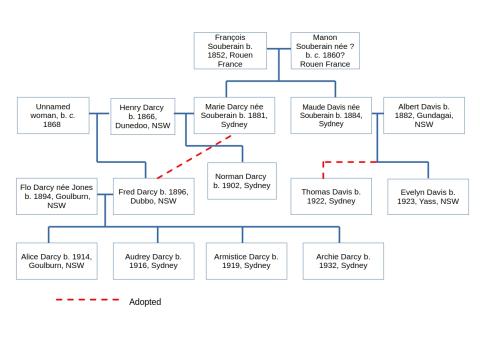
An Attractive Naivety and it companion novel, Ashes and Sakura, cover three generations of the Darcy family over a fifty year period.
The following is a family tree to aid the reader.