Australia in Post-war Asia
The Second World War marked the beginning of a new era in Australia’s relations with Asia. This topic explores the occupation of Japan, the war crimes trials, the end of European colonialism, the Indonesian Revolution and Australia’s growing role in the region.
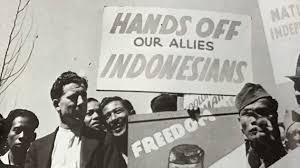
The 'Black Armada' - Australian boycott of Dutch ships in 1945
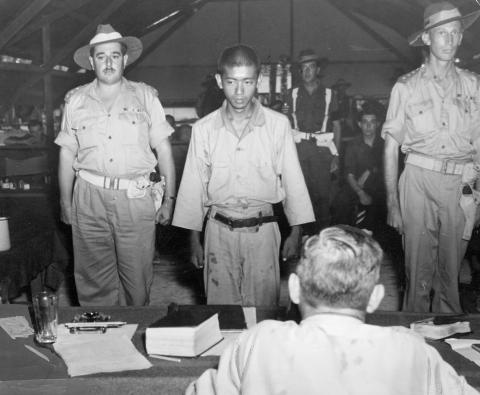
War Crimes Trials on Morotai Island - WW2TV (video)
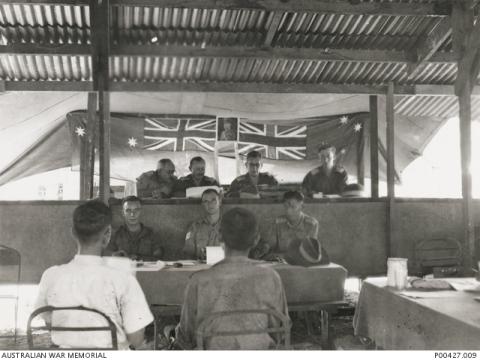
Pacific reckoning - Australian war crimes trials (video)
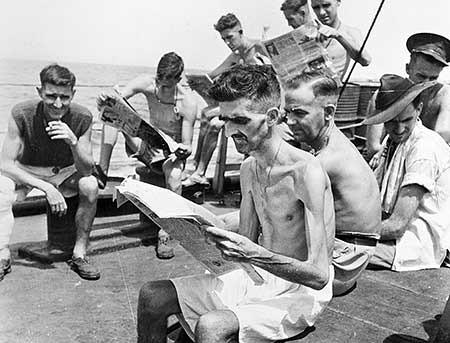
Ashes and Sakura: an Australian story of the making of a Pacific nation
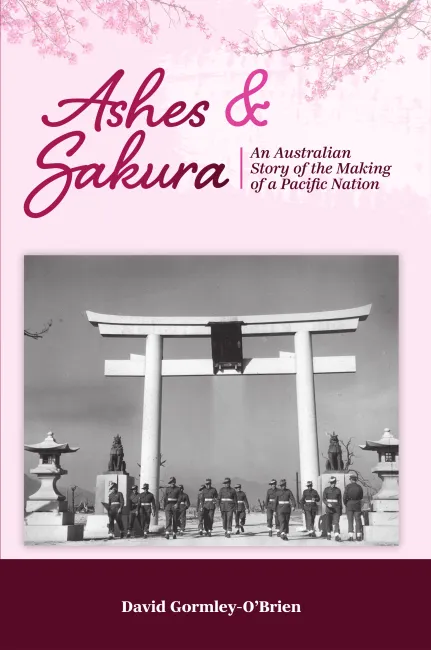
In September 1945, on a sweltering parade ground at Morotai, Australian troops watch as General Sir Thomas Blamey accepts the surrender of the Japanese Second Army. For Corporal Tom Davis, the ceremony brings neither triumph nor relief. The war has ended—but something within him remains unsettled.
Ashes & Sakura is a sweeping work of historical fiction set in the uneasy aftermath of the Second World War. Moving from the battlefields of New Guinea and Borneo to the shattered cities of occupied Japan, and from rural New South Wales to the political chambers shaping Australia’s post-war ambitions, the novel explores what happens when the guns fall silent but the reckoning has only just begun.