
Banka Island Massacre
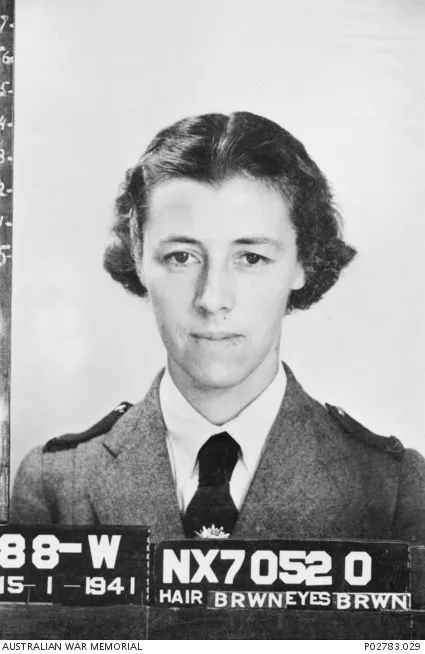
The Banka Island Massacre was the murder of twenty-two Australian Army nurses and one civilian by Japanese troops on Radji Beach, Banka Island on 16 February 1942, following the sinking of the Vyner Brooke. The massacre became a defining event in the history of Australian Army nurses in Japanese captivity and is closely associated with the survival and testimony of Sister Vivian Bullwinkel.
On Radji Beach
Ian Shaw’s *On Radji Beach* recounts the sinking of the *Vyner Brooke* and the massacre of Australian Army nurses and other survivors by Japanese troops on Bangka Island in February 1942. Centred on sole nurse survivor Vivian Bullwinkel, it examines the victims’ ordeal, the evidence surrounding the killings and the enduring legacy of the massacre.
White Coolies
Betty Jeffrey’s *White Coolies* is a firsthand account of the Australian Army nurses imprisoned by the Japanese in Sumatra from 1942 to 1945. Based on her wartime diary, it records the women’s hunger, disease, forced labour and repeated transfers between camps, as well as the courage, humour and mutual support that helped them survive.
Who was Vivian Bullwinkel?
Rescued nurses to come by sea: recuperating at Singapore
This newspaper article reports the arrival of twenty-four Australian nurses rescued from Sumatra after more than three years of Japanese captivity. It describes their recovery in Singapore and records their reflections on life in the prison camps, including the Banka Island massacre, their resilience in captivity, and the dramatic improvement in their circumstances following Japan's surrender.
Massacre on the beach
This newspaper article recounts the experiences of the Australian Army nurses rescued from Sumatra in September 1945. Through interviews with the survivors, it describes the Banka Island massacre, their years of captivity under the Japanese, their resilience in the prison camps, and the liberation that finally brought them to Singapore.
Cinesound Review - first pictures of massacre survivors
An excerpt from Cinesound Review which shows footage of Australian army nurses in a Singapore hospital after their rescue in 1945.
Vivian Bullwinkel deposition
Australian War Crimes Board of Inquiry.
The Japanese leopard with unchanging spots
This newspaper article recounts the Banka Island Massacre through the eyewitness testimony of survivors Wally Cake, Ernest Lloyd, Richard Wilding, Robert Seddon and Sister Vivien Bullwinkel. It describes the sinking of the Vyner Brooke, the execution of Australian Army nurses, soldiers and civilians by Japanese troops on 17 February 1942, the discovery of the victims, and the evidence that led to two Japanese officers being charged with the crime.
Vivian Bullwinkel interviewed by John Clements [sound recording]
Vivian Bullwinkel interviewed by John Clements on ABC radio 1980