
Primary Sources
Search a collection of original newspapers, documents, photographs, audio recordings and video used in researching the Becoming Australia series.
To browse all historical resources by subject, including articles, books, blogs and primary sources, visit Historical Topics.
DUTCH ARE AT WAR WITH JAPAN
The Dutch East Indies declared war on Japan following the Japanese attacks against the United Kingdom and United States in December 1941. The colony mobilised its forces, interned Japanese nationals and prepared to defend its strategically important oil resources. Dutch officials expressed confidence in their aircraft, submarines and strengthened defences.
Balikpapan Taken But No Oil
Japanese forces captured the important Borneo oil port of Balikpapan after Dutch troops destroyed its wells and installations under a scorched-earth policy. The Dutch ignored Japanese threats to execute those responsible, leaving the invaders without access to the area’s oil.
Native Seamen's Strike Creates Police Problem
More than 600 mainly Javanese seamen in Sydney refused to sail their vessels, leading to mass arrests and prosecutions for being absent without leave or disobeying their masters. Many declared that they wanted to return to Java and chose imprisonment rather than comply, with 130 men each fined £10 or sentenced to 20 days in gaol. The dispute caused serious concern about disruption to Netherlands East Indies shipping and required extensive police intervention.
Italians Employed on Farms in the Coonabarabran District
More than 40 Italian prisoners of war were employed on farms in the Coonabarabran district to ease wartime labour shortages, with numbers expected to double. While local farmers reportedly praised the prisoners' work and conduct, the scheme drew criticism from some who argued that Australian servicemen with farming experience should have been released to work the land instead.
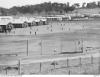
COWRA, NSW. 1944-07-01. JAPANESE PRISONERS OF WAR PRACTISING BASEBALL ON THEIR SPORTSGROUND
Japanese prisoners playing baseball in B Compound, Cowra POW Camp.
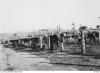
COWRA, NSW. 1944-08. BLANKETS THROWN OVER THE BARBED WIRE IN B CAMP, (THE JAPANESE SECTION)
Aftermath of mass Japanese POW breakout at Cowra - blankets over barbed wire
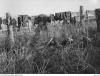
COWRA, NSW. 1944-08-05. THE MORNING AFTER THE OUTBREAK REVEALED DEAD BODIES LYING EVERYWHERE
Aftermath of mass Japanese POW breakout at Cowra - bodies entangled in barbed wire
Massacre on the beach
This newspaper article recounts the experiences of the Australian Army nurses rescued from Sumatra in September 1945. Through interviews with the survivors, it describes the Banka Island massacre, their years of captivity under the Japanese, their resilience in the prison camps, and the liberation that finally brought them to Singapore.
Rescued nurses to come by sea: recuperating at Singapore
This newspaper article reports the arrival of twenty-four Australian nurses rescued from Sumatra after more than three years of Japanese captivity. It describes their recovery in Singapore and records their reflections on life in the prison camps, including the Banka Island massacre, their resilience in captivity, and the dramatic improvement in their circumstances following Japan's surrender.
NATIVE RIOTS IN JAVA
The article reports growing unrest in Batavia following Japan's surrender, as Indonesian nationalists demanded an independent republic under Soekarno. Indonesian demonstrators attempted to enter the Tjidang women's internment camp, which was defended jointly by Allied personnel and Japanese guards. The article describes increasing displays of the new Indonesian red-and-white flag, political demonstrations and violence, while Japanese forces remained temporarily responsible for maintaining order.
Black ban on dutch mercy ships
NEI Information Service deny that supplies for the suppression of the Indonesian people were carried aboard Dutch ships in Australian ports.
An excerpt from Cinesound Review which shows footage of Australian army nurses in a Singapore hospital after their rescue in 1945.
Communist move - White Australia Policy
The article reports Federal Government concern that Communist supporters were encouraging Indonesian seamen and Australian waterfront unions to refuse work on Dutch ships carrying arms for use against Indonesian nationalists. Ministers portrayed the dispute as part of a broader Communist challenge to the White Australia policy, while unions called for arrested Indonesians to be released and allowed to return home. The boycott was spreading across the waterfront to other maritime trades.
Federal Ministers See Red Bid to Undermine White Australia Policy
The article reports Federal Ministers' claims that Communists were encouraging Indonesian seamen and Australian waterside workers to undermine the White Australia policy. A Communist Party circular urged workers to boycott Dutch ships carrying military supplies, arguing that these would be used to suppress the newly declared Indonesian Republic and restore Dutch colonial rule. The Government resisted pressure to support Indonesian independence and insisted that Indonesian seamen remained prohibited immigrants.
Emotional scenes as Indonesians leave for home on the Esperance
Indonesian dockworkers and seamen who worked in Australia during the war embark on the Esperance Bay to be taken to Java.
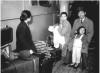
Esperance Bay leaves Brisbane
Esperance Bay leaves Brisbane with >1400 Indonesians destined for Java at the end of the war.
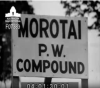
Japanese prisoners held in POW camp at Morotai
Trouble On Esperance Bay Explained
Indonesians aboard Esperance Bay protested when 40 potential leaders were compelled to disembark in Timor rather than Java.
Esperance Bay Enquiry Urged
Faddin demands that Chifley open an inquiry into a mutiny on the Esperance Bay
The Esperance Bay Mutiny - allegations of smuggled arms
Allegations by Daily Mail correspondent that Indonesians smuggled arms on board Esperance Bay.
Esperance Bay 'Double Cross'
Esperance Bay docks at Timor as Mountbatten is unable to ensure safe conduct in Java for 40 activist Indonesians on board despite assurances from Australian government.
Esperance Bay Story Denied
Calwell denies that the Indonesians protest on the Esperance Bay was a mutiny - no lives were in danger.
NO MUTINY ON ESPERANCE BAY
K. Plumb, government minister who travelled on Esperance Bay, denies that a mutiny took place at Timor.